In our earlier blog, we discussed few elements of Dinacharya—the daily routines that help us avoid lifestyle disorders. From the concepts of this ancient science, we tried to understand how each of the organized aspects of Dinacharya—such as getting up early, drinking water, brushing the teeth, performing oil pulling, etc.—would help in holistic well-being and lead one toward a more disciplined, healthy, and meaningful life. In this blog, we will proceed with the explanation of the remaining essential elements and attempt to present a strategy for incorporating them into our busy routines in the present context.
Dhumapana – Inhaling Herbal Smoke
This is a beautiful component of Dinacharya that aims at the prevention as well as the promotion of optimum health when practiced daily after nasyam. In Ayurveda treatises, the daily practice of Dhumapana is seen as balancing the excess kapha-vata dosha and maintaining the good health of the neck and above. It protects a person from respiratory tract infections, keeps the sinuses clean, thereby making the senses sharp, improves immunity against external allergens, and enhances facial glow. Dhumapana is used as a therapy to cure diseases like headaches, rhinitis, sinusitis, etc., to name a few.
- How to inhale herbal smoke? – Sit comfortably with your eyes closed; inhale the smoke gently through your nose and exhale out through your mouth.
- How Long Does it Take? – You can plan for a maximum of 3 cycles, each cycle consisting of 3 puffs, making a total of 9 puffs. The time depends on how long you take to inhale and exhale.
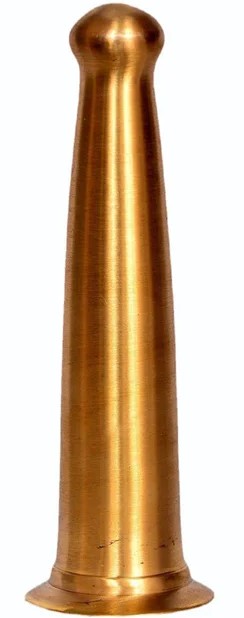
- Are there any special ingredients involved and how will I get them?-If you peep into ancient texts of Ayurveda, you will come across dhumapana yantra (which is the instrument used for herbal smoking) and dhumapana varti (=a herbal stick that is burnt to get the uniform smoke to inhale). But to begin the practice, you can always mix turmeric and neem powder in water. This paste is smeared over a clean muslin cloth/neem stick and dried in the shade. Before burning, please smear some ghee to get good, uniform smoke. Dhumapana sticks are available in the markets too.


Tambula sevana-Chewing Betel Leaves!
Chewing betel leaves as prescribed in Ayurveda enhances oral hygiene, provides good taste, and prevents diseases of the oral cavity and throat. They are natural and easily available appetizers, digestive stimulants, and aphrodisiacs. Ayurvedic classics say that two washed betel leaves (where the tip, root, and mid-rib are removed) are smeared with a thin paste of slaked lime and powders of catechu, areca nut, camphor, musk, cardamom, and clove, etc. The juice produced the first two times needs to be spit out, and from the third one onwards, it needs to be swallowed for the benefits. Research shows that the above-mentioned combination provides minerals (like calcium, potassium, iron) and vitamins (like Vit. A, Vit. C).
Abhyanga-The Oil Massage
In our blog post titled “Exploring Abhyanga – Oil Massage: How Ayurveda Promotes Balance, Healing, and Vitality,” published in May 2025, we discussed ABHYANGA—the traditional oil massage. We shall extract a brief paragraph from that post to refresh your memory.
In the words of Vaghbhatacharya, the esteemed author of the Ashtanga Hridayam, “Abhyangam be performed on a daily basis. A comprehensive body oil massage serves to delay the aging process, mitigate fatigue, alleviate bodily aches and pains, enhance vision, nourish bodily tissues, extend lifespan, facilitate high-quality sleep, improve skin tone and complexion, and contribute to the maintenance of a healthy physique. It is imperative to accord significant attention to the application of oil to the ears, head, and feet.“
Vyayama-An Essential Dinacharya Component
Exercising represents the most significant and distinctive element of daily life since ancient times, crucial for maintaining optimal health and preventing numerous diseases. Properly structured and executed exercise promotes lightness, stability, and balances the excess KAPHA dosha within the body. It enhances digestion (AGNI), effectively processing all types of food, regardless of their compatibility, whether cooked or raw. There exists no other anti-obesity measure that can compare to VYAYAMA. An individual exudes charm irrespective of age when they engage in daily exercise. The sages advise that one should undertake exercises until perspiration begins and they start to breathe through the mouth (=half the strength of an individual) during the winter and spring seasons; in other seasons, one should adhere to mild exercise to avert over-exertion. It is important to recognize that exercise is deemed inappropriate if it induces exhaustion, fatigue, excessive thirst, or emaciation of the body.
Udvartana-The Powder Massage
The process of rubbing oil and(or) herbal powders in the direction opposite to the hair follicles, with gentle strokes directed towards the heart using the palms, is referred to as udvartana (commonly known as ubtan in the Indian subcontinent). This technique effectively balances the Vata and Kapha doshas, facilitates the mobilization of excess fat within the body, enhances skin tone, texture, and complexion, and prevents from lifestyle disorders such as obesity, type 2 diabetes, and hypercholesterolemia by improving circulation and regularizing metabolism. In a home setting, simple ingredients such as powdered horse gram, chickpeas, barley, turmeric, neem, sandalwood, and triphala can be employed either individually or in combinations, by mixing with warm sesame oil.
Snana-The Ritual of Taking Bath
Bathing, as is widely recognized, serves to eliminate impurities, sweat, and accumulated toxins from the skin; consequently, it contributes to physical cleanliness and enhances the skin’s luster. The question most frequently asked is, “Should we bathe using cold water or hot water?” According to Ayurvedic principles, the response is as follows: warm to hot water baths facilitate the relaxation of muscles and the nervous system, thereby promoting the proper functioning of Vata Dosha, producing a sense of tranquility and a stress-free experience, particularly when used below the neck. However, it is advisable to avoid the use of hot water on the head as it may lead to a decline in the acuity of the senses, particularly the eyes. Therefore, it is recommended for healthy individuals to use water at room temperature on the head while utilizing warm water for bathing below the neck to reap the benefits. It is important to note that, in the case of doshic imbalances and also based on seasons, one may employ a warm water bath on the head (for instance, if you have rhinitis)
Noteworthy Information to Consider
There is no mention of soap in the bathing process. Instead, references are made to bathing powders with ingredients such as coarse powders of red sandalwood, Indian madder, turmeric, and a blend of five barks known as Panchavalkala qwatha churnam, which serve to remove dirt and prevent skin ailments. Taking shower is not advised after consuming meals, if one has indigestion, sinus infections, diarrhea.
Bhojana-Food and Related Practices…
We’ve already chatted about this a lot in our previous blog posts (3 posts on food!!!!), so I figured I wouldn’t bore you with the same stuff again.
Sadvritta-Code of Good Conduct for a Healthy Life
Ayurveda prescribes a list of ethical and moral behavioral codes to foster physical, mental, and social well-being. If a person adheres to this code of good conduct for sustaining a healthy life, they can live for a hundred years. As it is a very elaborate and yet very useful subject for discussion, we will address this in a separate blog post in the future.
Ratricharya: The Ritual of Retiring for the Night
Night constitutes a significant aspect of our lives, serving as a period for rest from daily endeavors—a time dedicated to mental and physical recuperation, enabling us to reactivate, rejuvenate, and prepare ourselves for the forthcoming day’s activities. Ratricharya refers to the guidelines concerning those actions that should be practiced during nighttime. A substantial portion of the night is typically spent in sleep. It is primarily the early evening (until 8 PM) and late evening (until 10 PM) that need careful consideration regarding dietary practices, sexual activities, and other life regimens, principally to ensure that the body remains strong and vibrant for the challenges of the next day.
Ayurveda treatises say that, in the evening between 5 PM and 6 PM, one should wash his face, eyes, and feet, rest for a while, and then remember God. During this period, one should not engage in eating, sleeping, studying, or taking long walks in twillight. They further say that one should have dinner that is easy to digest and in smaller quantities within the first 3 hours of the night. After finishing dinner, one should wash the hands, touch the eyes with wet fingers, chew a few betel leaves, inhale medicated smoke, and walk for 100 steps. It is advised to take triphala churna with honey and ghee for sharp eyesight before retiring to bed. After taking a quick look at the whole day, one should sleep in a left lateral position.
Relevant Considerations for Your Review
- Consider the practice of exposing oneself to moonlight. Ayurveda explains -moonlight possesses cooling and soothing properties; it is believed to enhance attraction towards the opposite gender, alleviate thirst, and balances pitta dosha and mitigates burning sensations.
- Sexual indulgence is suggested at the close of the day, as it is elaborated upon in Ayurvedic texts and is considered one of the fundamental pillars of a healthy life.
- In one of our previous blog posts, we tried to elucidate the topic of sleep. We kindly suggest you to review it.
Dinacharya…….Long List… How’s That Work?
Let me quickly give a breakdown……..
- Ushapana- drinking water- 5 minutes
- Shouchavidhi/malotsarga – the process of defecation- 10 minutes
- Danta Dhavana-brushing the teeth- 5 minutes
- Jihvanirlekhana-scraping the tongue- 2 minutes
- Aachmana-washing the mouth- 2 minutes
- Anjana-applying collyrium- 2 minutes
- Nasyam-instillation of nasal drops- 5 minutes
- Kavala-Gandhusha-gargling- 7 minutes
- Dhooma-pana-medicated smoke- 5 minutes
- Tambula sevana-chewing betel leaves- 5 minutes
- Abhyanga-oil massage- a quick one will take 10 minutes
- Vyayama-exercise- 45 minutes
- Udvartana-powder massage- a quick one will take 15 minutes
- Snana-shower- 10 minutes
- Bhojana vidhi-principles of food intake
- Sadvritta palana-following good conduct
- Ratricharya-bed routine
So it takes around two hours of your day in the beginning. As you understand how to follow them and when you plan them properly, you can reduce the time required. Ratricharya/bedtime routine takes about 30 to 40 minutes. If you have any confusion, please leave your queries in the comment section, so that we can address them.
It Is Now Time to Conclude….
We aspire that the daily practices detailed in two blog posts have enhanced your understanding of the Ayurvedic way of life. Furthermore, we have tried to present a plan that can be seamlessly integrated into our modern, busy lives. Our primary objective is to inspire readers to embrace these practices, thereby facilitating a balanced, fulfilling, and healthier lifestyle, which in turn may reduce the occurrences of lifestyle-related disorders. Dinacharya serves not merely as a framework for physical well-being but also as a profound philosophy that cultivates the mind and spirit, fostering a more profound connection with oneself and the surrounding environment.
 Ayurnector
Leave a comment here